2024-2025 Japanese-Language Program for Foreign-Service Officers and Public Officials
JAPANESE LANGUAGE, CULTURE, AND PEOPLE
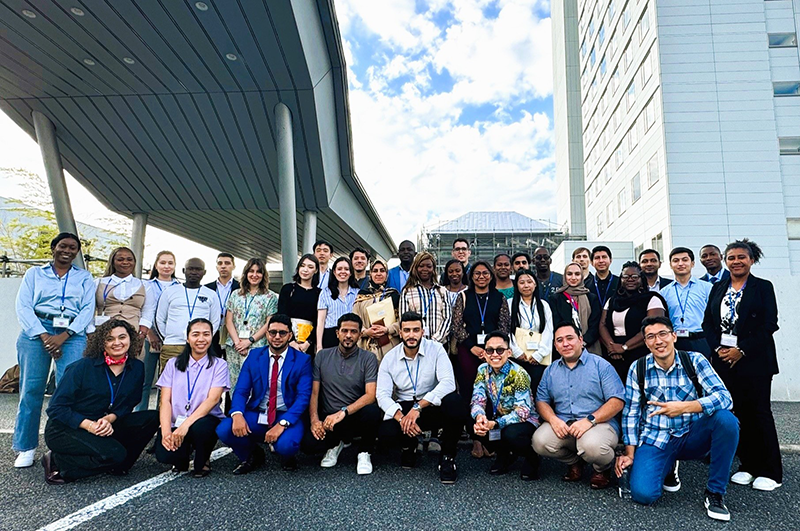
The 2024-2025 Japanese-Language Program for Foreign-Service Officers and Public Officials (shortened as DLGL program) took place at The Japan Foundation Japanese Language Institute, Kansai (shortened as Kansai Center), from September 25th, 2024, to May 23rd, 2025.
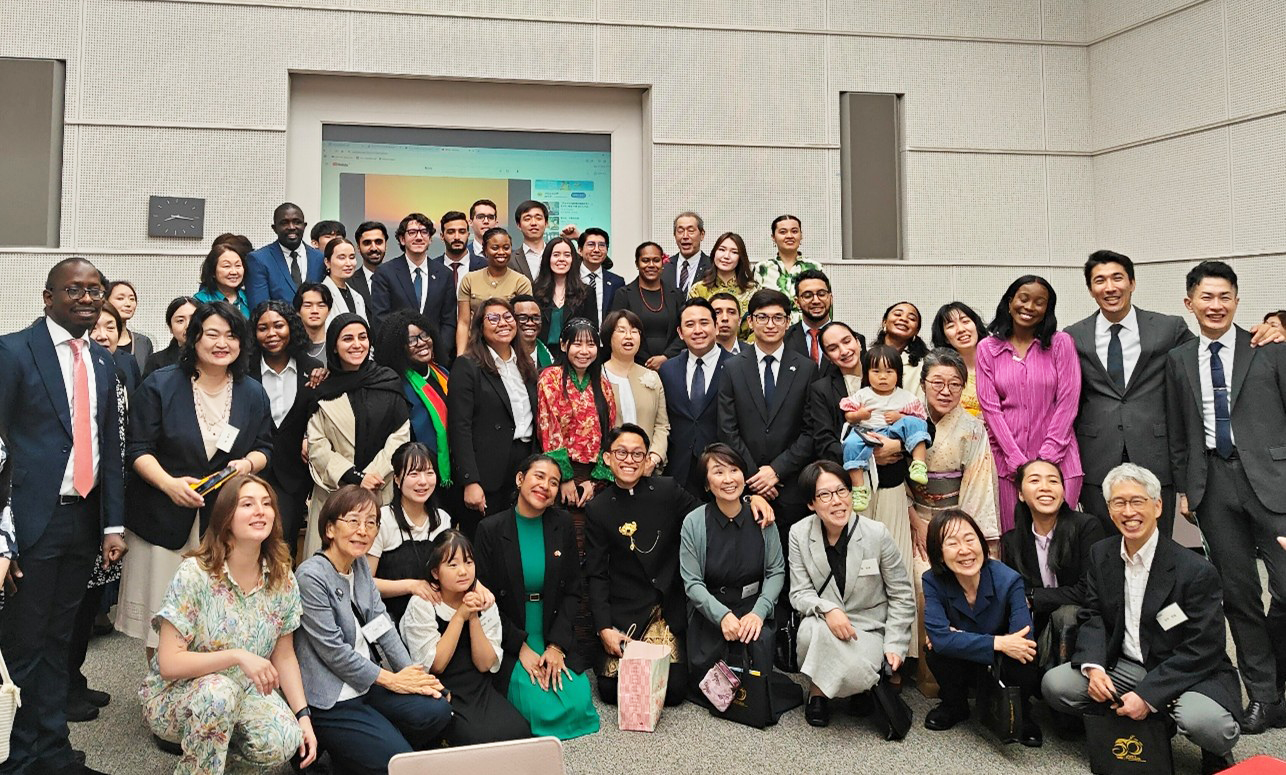
In the DLGL program 2024-2025, we had 37 participants: 29 diplomats and 8 public officials from 37 countries which is various to the year ahead. The program is organized every year by the Ministry of Foreign Affairs of Japan and the Japan Foundation, which provides Japanese language ability on daily situations and also a basis to perform work task for both diplomats and public officials in the future. Moreover, DLGL program offers a wide range of activities for understanding the Japanese culture and society, difficulties that foreign people can face in Japan and for building a strong network with Japanese institutions in different fields.
Besides the Kansai Center, where we had our daily Japanese language classes, there are good relationships with local international clubs and associations. Daily learning and practicing Japanese language were the best opportunity for every participant of the DLGL 2024-2025 program.
OUR LESSONS
At first, lessons were challenging. Participants had different difficulties in pronunciation, writing and memorizing all kanji characters, which is the most difficult part of Japanese language, where even Japanese people sometimes struggle with them. Study program concludes with different lessons. In the first semester, we started with Survival Japanese and “Hiragana and Katakana” classes, where we studied basics of Japanese language, such as “How to greet?”, “How to introduce yourself?” and hiragana-katakana charts. After survival lessons, we started our first book of Marugoto “Rikai and Katsudoo” and “Kanji” classes. Beside daily language lessons, we had classes, such as “Nihongo Variety”, “Speech”, “YomYom”, “Vocabulary”, “Japanese for Socializing”, “News in Japan”, “Japanese Life and Culture” and of course we had weekly “Assembly”.
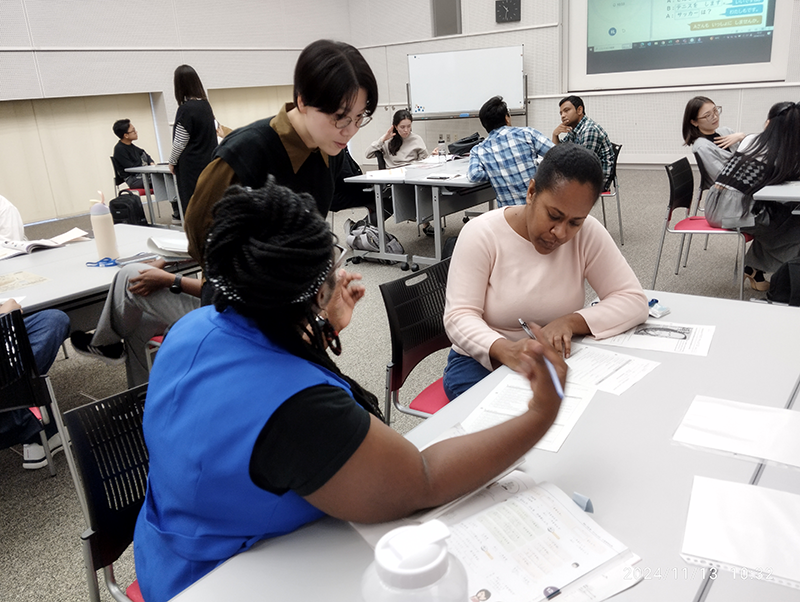 Daily lessons start at 9 a.m., and it is better not to be late for your lessons, otherwise you will skip interesting parts. Our teachers are incredible and well organized with timing of lessons. Every teacher has their own method of teaching, which is the most important thing in being a teacher. Teachers’ methodology and their desire, love to their job and intercommunication can help us to reach the level of Japanese language that we want. Even if you do not want to study, they will inspire you to learn Japanese language. Everyday classes are really interesting and you will never know who is going to be the next teacher in your class. This is also an interesting part of the daily lessons. Teachers rotate between classes. Rotating system never gives a chance for us to relax, and always requires keeping focused on learning language, which is also important in teaching.
Moreover, the study program takes into consideration the tutorial sessions. A group of 6 or 7 participants have a tutor among the teachers. For our opinion, these sessions are the most interesting and valuable part for participants. During the tutorial participant can ask teacher what you did not understand from the lesson, and teacher can explain everything to you without hesitation. Tutors also rotate term to term, so participant will not have the same tutor for the whole program. This helps participants to intercommunicate with teachers face to face, and perfect chance to get to know each other in the professional field.
In general, teaching methodology, teachers’ attitude to participants and to their job, their desire to teach, their hard work and time management is perfect to learn the Japanese language.
Rahym Akmuradov
Institute of International Relations of the Ministry of Foreign Affairs of Turkmenistan
UNIVERSITY LECTURE SERIES AND OFFICIAL MEETINGS
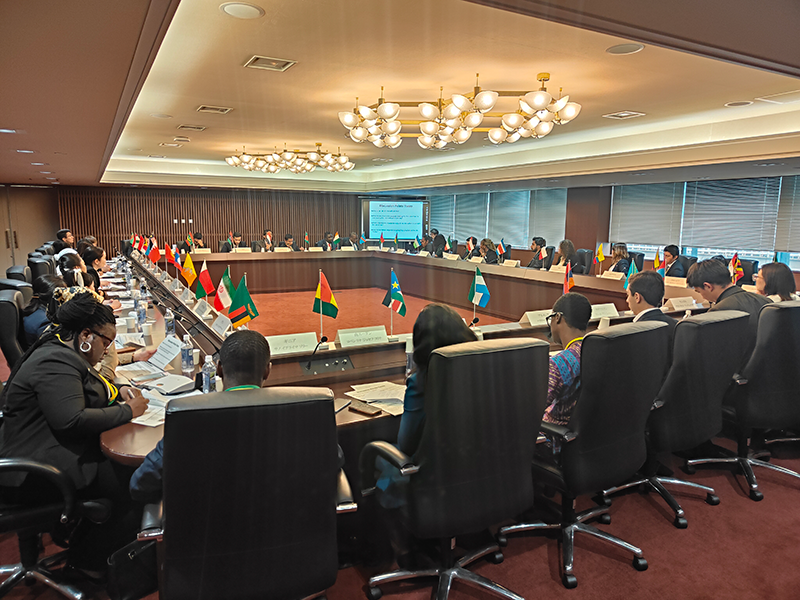
The DLGL Program provided not only language instruction but also valuable exposure to Japan’s Governance Systems, Culture, International Diplomacy Frameworks, and Disarmament Opinions. These insights obtained have greatly enriched our professional perspective and cross-cultural competencies. Through various activities such as University Lecture series and official meetings, the program created a multi-dimensional experience that enhanced cultural intelligence, policy understanding, diplomatic readiness, and international collaboration skills. Lessons have empowered us to become more effective global actors, capable of bridging cultures and building partnerships.
Participation in University Lecture series and official meetings during the DLGL Program offered far more than linguistic benefits. They were a core strength of the program and provided a holistic understanding of Japan far beyond the classroom circles and cultivated essential skills in diplomacy, governance, and intercultural engagements. These experiences have prepared us to better represent our countries in global forums and advocate for deeper relationships with Japan.
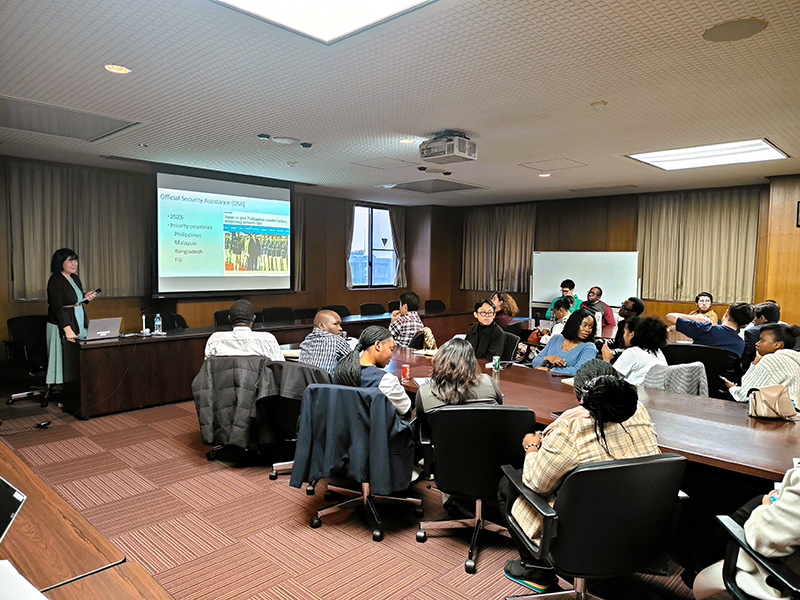 The University Lecture series facilitated by different experts of various fields such as Public Policy, International Relations and Media provided another unique platform to learn, dissect different academic theoretical frameworks such as international law, analyse contexts, and provide objective criticism. This increased our knowledge scope and understanding of different and important topics that are of national interests. Finally,
official meetings also provided platform for networking and served as foundation for future bilateral engagements through the Identification of shared areas of interest. Discussions and deliberations during official meetings revealed possible avenues for bilateral and multilateral cooperation, for instance investment and technology advancement.
Finally, these activities encouraged us to promote our home countries through representation fostering mutual understanding and respect, these practices also sharpened our diplomatic presentation skills.
Nellie Banda
Ministry of Foreign Affairs and International Cooperation of the Republic of Zambia
STUDY TRIP
Group Study Trip
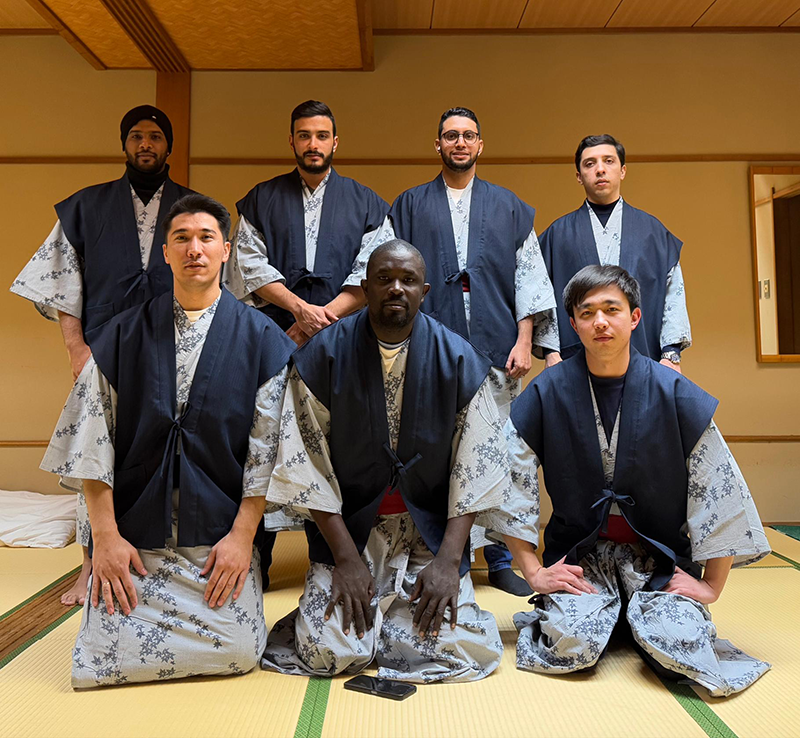 Throughout our program, we participated in several group study trips to various cities and places in Japan, such as Tokyo, Hiroshima, Kyoto, Osaka, Nara, etc. These trips not only allowed us to relax and strengthen our bonds with each other but also to inquire into the reality of life in Japan and the uniqueness of Japanese cities. We experienced both traditional Japanese culture and modern development. With many emotions, we were able to see how Japan has continued its development and has been able to overcome natural disasters and the consequences of war to count among the developed nations of the world. I personally noticed that the Japanese have always wanted to preserve in collective memory the events of the past and their history through various museums in the cities. It also manages to combine tradition and modernity in daily life.
Self-Study Trip
All participants participated in the self-study trip in various places, such as Shirakawa-go, Nagoya, Nagasaki, Okinawa, Kobe, Kyoto, Hokkaido, etc. It was the participants who deliberately chose the location and activities to do during the self-study trip. During the trip, the reservations from departure to arrival were made by us, and we were there without the presence of administrative members. This was, overall, a great, enriching experience. We visited cities located all over Japan, which gave us an overall view of Japan during the presentations.
 As for me, we visited Shirakawa-go and Nagoya, which allowed me to interact with the local population and see things up close and see how a Japanese village works and was built in the past. We loved the nature and the cultural diversity of Japan. It was an enriching experience for everyone unanimously. At the end of the self-study trip, some participants were invited to write a summary of their experience in the DLGL Self-Study Trip Essay Contest, which was published at the Institute's library.
Jean Xavier Ouangui
Ministry of Promotion of Good Governance and Fight Against Corruption
of the Republic of Côte d'Ivoire
TIPS AND TRICKS FOR THE JAPANESE LANGUAGE PROGRAM FOR FOREIGN SERVICE OFFICERS AND PUBLIC OFFICIALS
Japanese Language Study Tips and Tricks
Before diving into Japanese language learning and immersing yourself in Japanese society, it’s a great idea to get a taste of Japan before your departure. If you want a fun approach, try listening to Japanese music—perhaps a recent hit from Fujii Kaze or nostalgic city pop classics from Miki Matsubara. Watching award-winning films like Shogun or heartwarming series such as First Love and Beyond Goodbye can also help familiarize you with the language in an engaging way.
On a more serious note, we strongly encourage you to explore the learning materials provided by the Japan Foundation Japanese Language Institute, Kansai. We understand that you have a busy schedule, but even dedicating just an hour a day before the program begins will make a meaningful difference in your learning journey.
During the program, you'll typically have three main classes: conversation, kanji, and grammar. To strengthen your conversation and grammar skills, try to engage with Japanese speakers around you. We know it can feel intimidating at first, but stepping out of your comfort zone is key to progress!
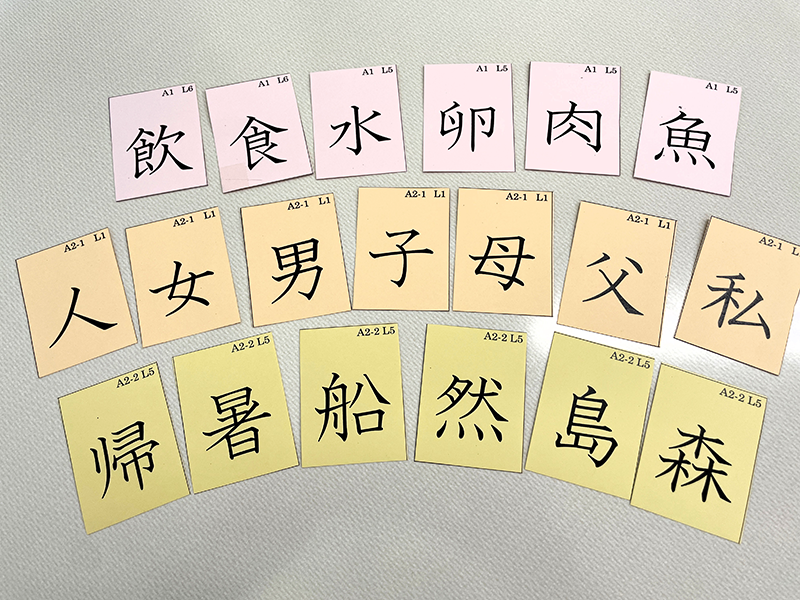 For kanji, you'll receive a set of kanji cards—consider displaying them on your wall so you can review them every morning and night. To build your vocabulary, try labeling furniture or objects with Japanese words you've learned. Additionally, take a few minutes to preview the next day’s lesson the evening before or early in the morning—this simple habit will help you grasp the content more easily when your teacher explains it in class.
Daily Life Tips and Tricks
Adjusting to daily life in Japan may seem challenging, but don’t worry—we’ve got you covered!
If you enjoy vibrant city life, you'll likely find yourself in Namba (Osaka’s downtown) more often than expected. To save on transportation costs, opt for the train from 羽倉崎駅 (Hagurazaki Station) instead of りんくうタウン駅 (Rinku-Town Station).
For affordable travel opportunities, be sure to join the trips organized by NPOs (Non-Profit Organizations) in collaboration with the institute—they’re fantastic value for money!
Since grocery prices in Japan have been rising, we recommend shopping at 業務スーパー 泉佐野 (Gyomu Super Izumisano), アローズ 泉佐野 (Arrows Izumisano), and サンディ りんくうタウン (Sandi Rinku-Town)—these supermarkets typically offer more budget-friendly options.
Regarding clothing, it’s best to pack light and purchase additional clothing in Japan instead. You can find great deals at GU (Uniqlo’s sister brand) or at reputable thrift stores like 2nd Street.
Finally, after completing the program, you'll likely have plenty of souvenirs and snacks to bring home. We recommend purchasing pre-paid baggage when booking your flight ticket, as additional funding will be provided to ship books back at the end of the program.
A MESSAGE OF GRATITUDE AND ENCOURAGEMENT
On behalf of the 37 participants of the 2024/2025 Japanese Language Program for Foreign Service Officers and Public Officials, we extend our heartfelt gratitude to the Ministry of Foreign Affairs of Japan, the Japan Foundation Japanese Language Institute, Kansai (including our amazing teachers, exceptional administrative staff, and supportive team), our Japanese families and friends who welcomed us, and all institutions that contributed to our cultural and linguistic learning experience.
This program offers a truly immersive opportunity to understand Japan through well-designed and collaborative initiatives. Beyond language learning, it also allows participants to appreciate the diversity of cultures and perspectives among fellow participants, fostering deeper global understanding.
More than anything, this program has created lasting bonds among us, ones we hope will endure beyond our professional lives.
To future participants, we encourage you to embrace every moment—just as the Japanese idiom 一期一会 (ichigo ichie) reminds us, cherish every experience as a once-in-a-lifetime opportunity.
See you somewhere in the world!
Mohamad Iqbal Jamilurir Rachman
Ministry of Foreign Affairs of the Republic of Indonesia