2025 JFIPP Research Fellow - SAKAI Minako
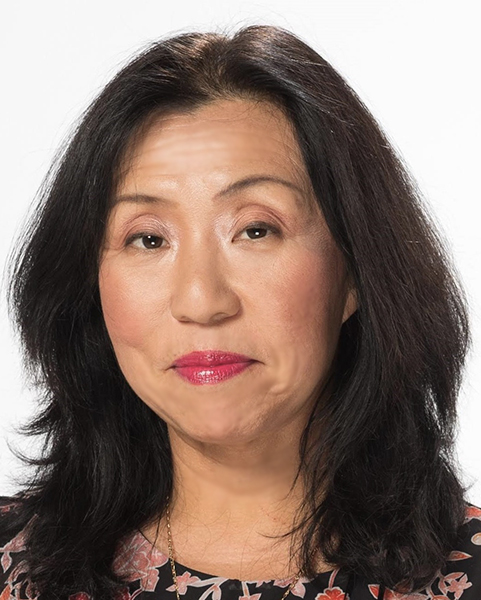
SAKAI Minako
[Affiliation]
Professor, School of Humanities and Social Sciences, The University of New South Wales
[Project Title]
Reimagining Rural Futures: Comparative Policy Innovations in Japan, Indonesia, and the Philippines for Regional Resilience in the Indo-Pacific
Project Summary
Rapid urbanization across the Indo-Pacific is accelerating rural decline—reducing agricultural engagement, increasing poverty, and weakening disaster resilience. This project identifies and scales policy and grassroots innovations that reverse rural decline and build disaster-resilient regional economies. Through comparative case studies in Japan, Indonesia, and the Philippines, it explores how policy and community initiatives enhance resilience and economic sustainability. Despite similar demographic and environmental pressures, these countries’ policy responses remain under-explored—even with shared commitments to SDG 11.
Led by a multi-award-winning researcher recognized by the Indonesian and Australian governments, and recipient of UNSW research and supervision awards, the project is based at UNSW Australia, a leading global university known for its research excellence. The project also aligns with UNSW’s strategic commitment to societal impact through research and education, as articulated in its Progress for All initiative. It convenes a cross-national team of scholars, policy-makers, and community partners to co-develop solutions and share best practices. A key innovation is the application of kankei jinkō (“relationship population”), a concept supporting flexible urbanrural engagement. This model underpins Japan’s regional revitalization strategy and includes mechanisms such as hometown taxes and the emerging idea of virtual hometown residents—championed by Prime Minister Ishiba—to strengthen urban-rural ties. It fosters social enterprise, encourages urban professionals and retirees to contribute to rural development, and offers a scalable approach to inclusive growth. This model mobilizes urban resources sustainably, challenging traditional permanent in-community development paradigms.
Using qualitative methods—interviews, focus groups, and field visits—the project engages diverse stakeholders to assess conditions for innovation and adaptability of Japan’s kankei jinkō model in Indonesia and the Philippines. While the primary focus is on these countries, the project is also informed by rural engagement strategies in Australia. Its outcomes will inform regional policy frameworks and support Indo-Pacific collaboration on shared challenges.
- What We Do Top
- Arts and Cultural Exchange [Culture]
- Japanese-Language Education Overseas [Language]
- Japanese-Language Education Overseas [Language] Top
- Learn Japanese-language
- Teach Japanese-language
- Take Japanese-Language Test
- Know about Japanese-language education abroad
- The Japanese-Language Institute, Urawa
- The Japanese-Language Institute, Kansai
- Japanese-Language Programs for Foreign Specified Skilled Worker Candidates
- Japanese Language Education for Japanese Children Resident Overseas and for the Descendants of Migrants
- Archives
- Japanese Studies and Global Partnerships [Dialogue]
- JF digital collection
- Other Programs / Programs to Commemorate Exchange Year
- Awards and Prizes
- Publications