
Looking Beyond Plastic Waste: Four Months of Challenge for Youth from ASEAN and Japan
Voices from the 2025 ASEAN-Japan Youth Forum Take Actions for Social Change (TASC)
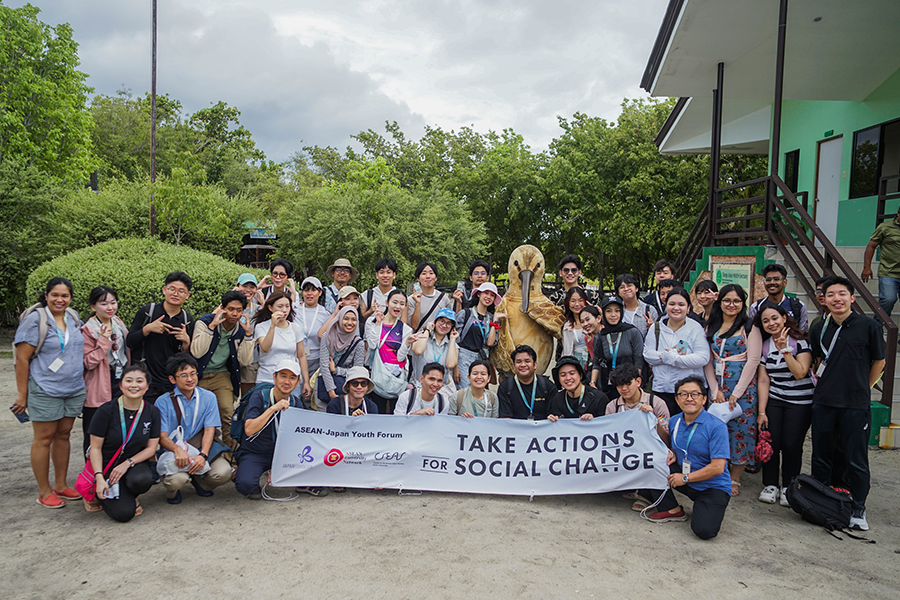
The ASEAN-Japan Youth Forum Take Actions for Social Change (TASC) (hereinafter “TASC”) is an international exchange program launched in 2023 by The Japan Foundation, in collaboration with ASEAN University Network and The Center for Southeast Asian Studies, Kyoto University
In 2025, a total of 28 students from nine countries came together to engage in a four-month journey of learning, dialogue, and action around pressing social issues. Through this shared process, they developed problem-solving mindsets and fostered lasting cross-border networks.
The theme of the 2025 Forum was plastic waste. Through online workshops, a field trip to the Philippines, and study tours in Japan, students explored this issue from a range of perspectives — acquiring not only knowledge, but also fresh insights through their interactions with teammates.
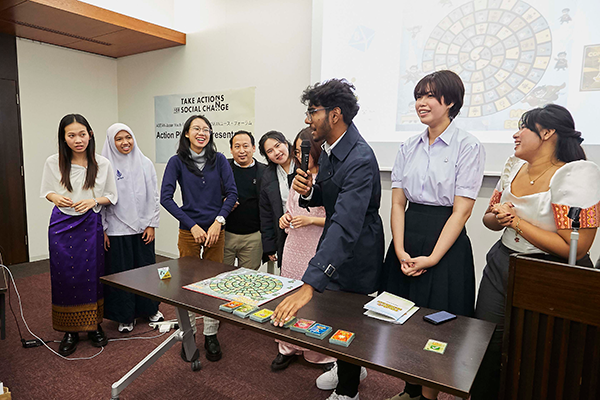
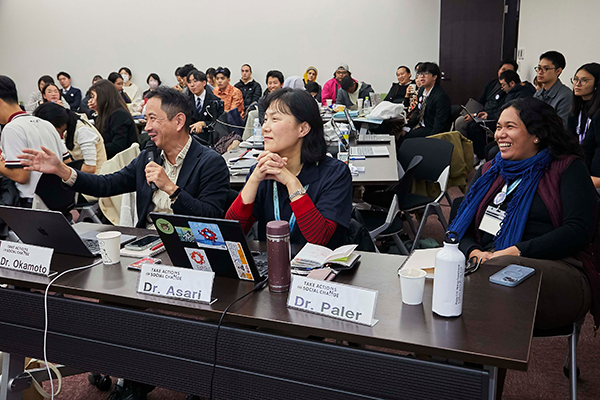
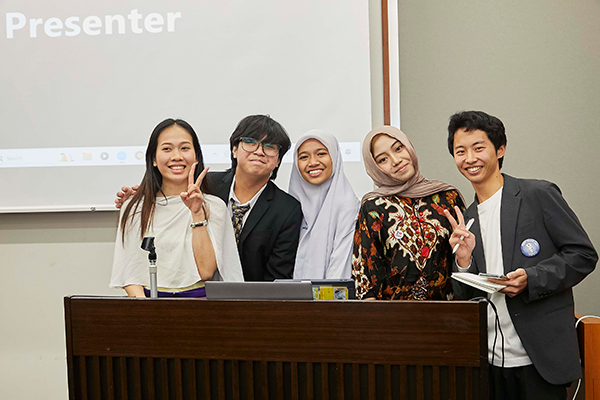
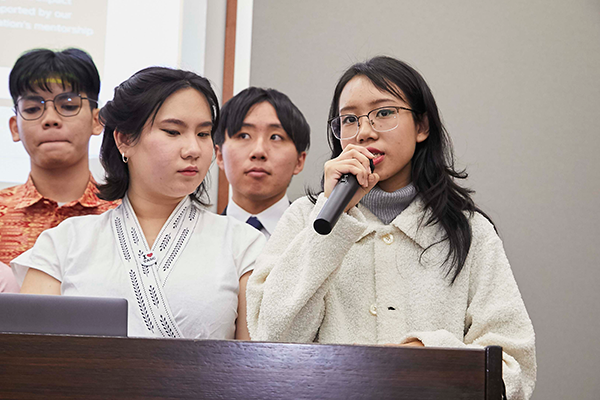
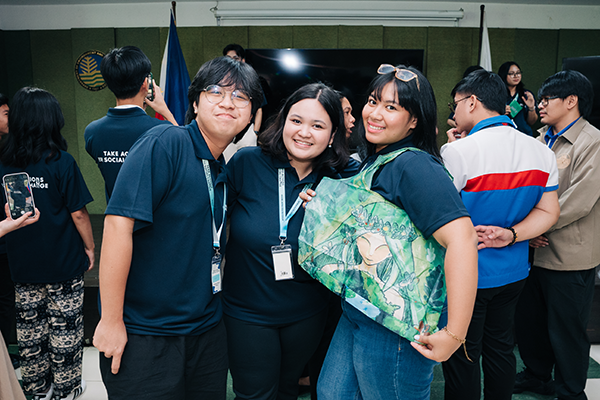
On the final presentation day, the atmosphere was filled with confidence, mutual respect, and warmth. The students stood tall, supporting one another with genuine trust—and that sincerity naturally brought smiles to everyone in the room.
From Awareness to Action
Four Months Tackling Plastic Waste through TASC
In the 2025 program, students from Japan and ASEAN countries spent four months working together on the shared challenge of plastic waste.
- August: Orientation & Online Seminar
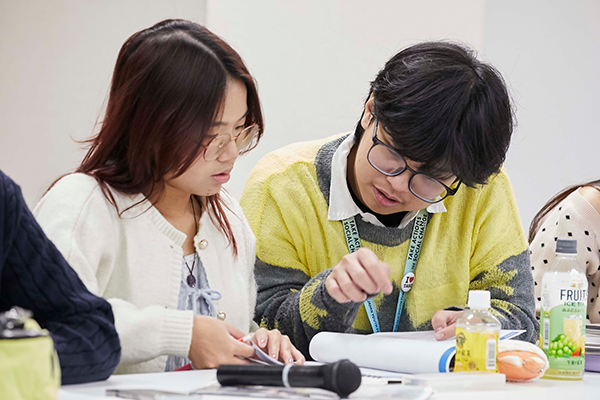
Through lectures and group work, participants built mutual understanding and laid the foundation for meaningful collaboration. - August – September: Field Trip in the Philippines
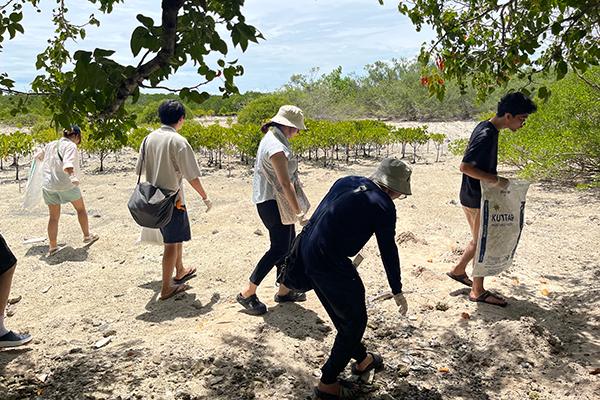
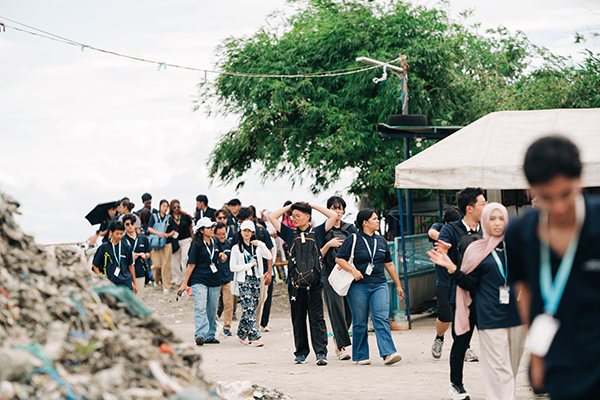
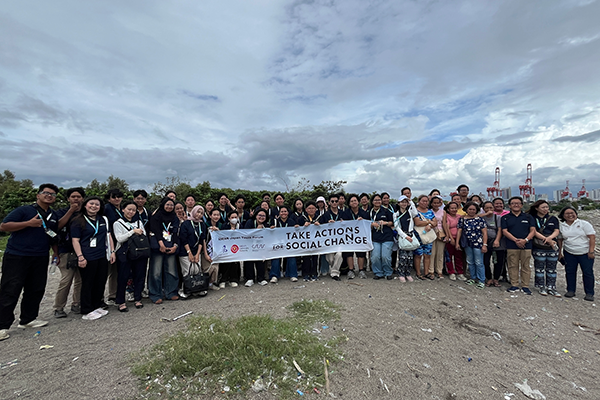
By visiting local organizations and facilities, students engaged in dialogue with local people tackling social issues on the ground, deepening both their understanding and motivation to take action.
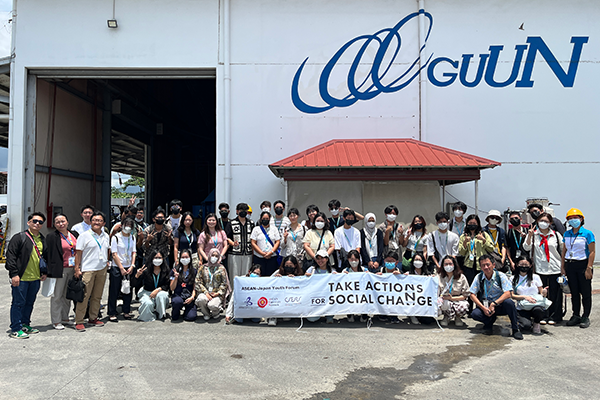
- November: Online Seminar
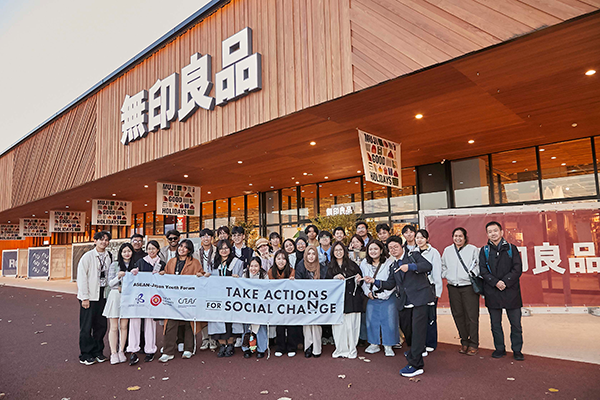
Each group presented a draft of their action plan and received feedback from advisors and mentors—an important opportunity to refine their ideas. - November – December: Japan Program & Final Presentation
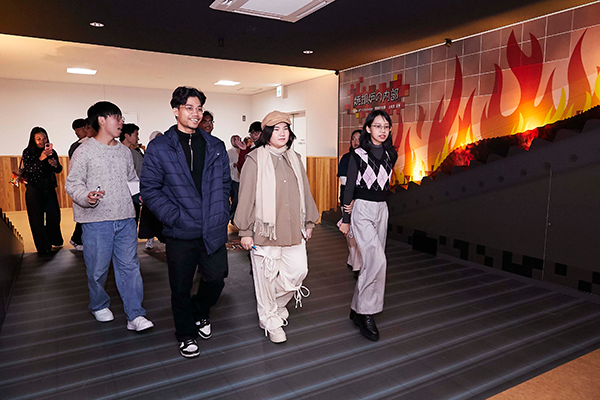
Through site visits and discussions with stakeholders in Japan, students explored circular economy initiatives and finalized their four-month journey by presenting their action plans.
| Group | Action Plan Overview |
|---|---|
| Team A: Terra Rangers | Proposed a multi-step environmental education program combining teaching materials, eco-camps, and a video contest. |
| Team B: Blue Wave | Planned a circular business model to collect plastic waste from tourist spots and upcycle it into souvenirs. |
| Team C: Manibu Warashi | Developed an educational board game to instruct children about environmental issues through play, aiming to spark behavioral change. |
| Team D: Green Hashiras | Proposed a support system that connects youth-led environmental projects with funding sources to promote awareness and action on plastic waste. |
| Team E: Blue Horizon | Presented a vision for a youth-led global organization that uses social media and visual storytelling to advocate for plastic waste reduction and foster global collaboration. |
From education and tourism to experiential learning for children, youth empowerment and international outreach, each team worked together to approach the issue from a wide range of perspectives.
Stories of Transformation from Five Participants
What did they feel and how did they change over these four months? The following stories, told in their own words, offer a glimpse into their personal transformations.
— How They Each Found Their Own Path to Action
Yu: Yu Hashimoto (Japan / Rikkyo University – Intercultural Communication)
From Local Engagement to a Broader Vision in Asia
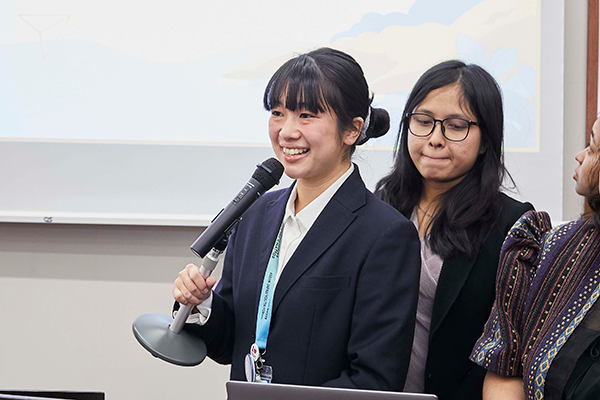
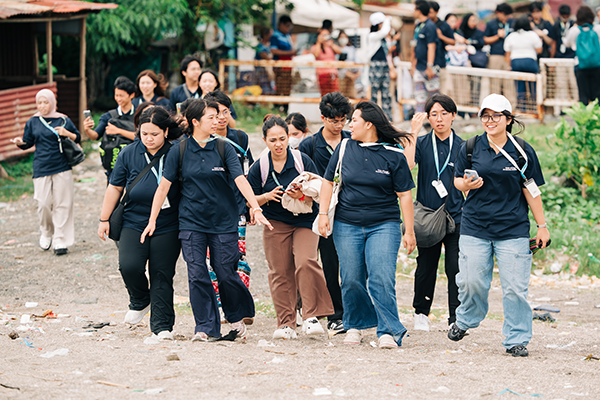
Yu applied to TASC upon the recommendation of a professor. With prior experience on their university’s environmental committee, Yu was curious to learn what kinds of actions students in ASEAN countries were taking.
Although initially anxious about their English skills and presentation abilities, Yu was deeply inspired by the peers, who confidently spoke about their future visions.
Yu realized that remaining silent out of embarrassment was more regrettable than trying—and began expressing the thoughts and career goals more openly.
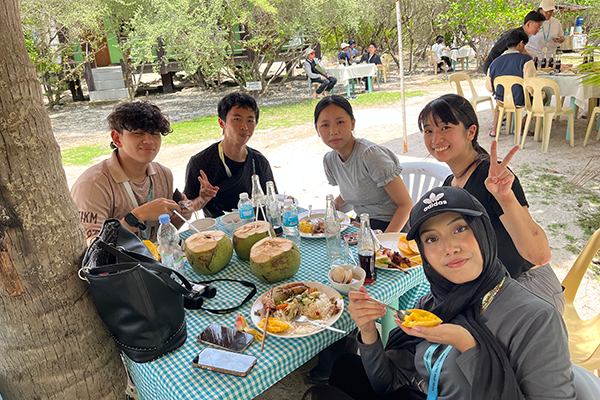
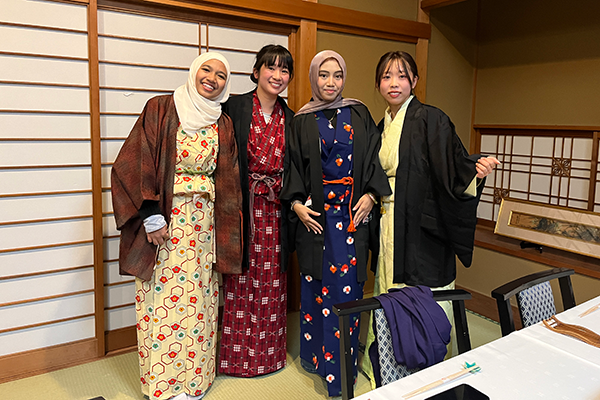
Learning about air pollution in India and textile waste in Bangladesh, Yu began to think seriously about how initiatives in Japan and ASEAN could serve as models, and what role they could play.
Yu now hopes to apply the connections and insights gained through TASC to their graduation thesis and future research, with the ultimate goal of working on environmental issues through international cooperation in Asia.
Najo: Fauzan Abdullah Azzam (Indonesia / Universitas Indonesia – Psychology)
Rediscovering the Power of Community Through Field Encounters
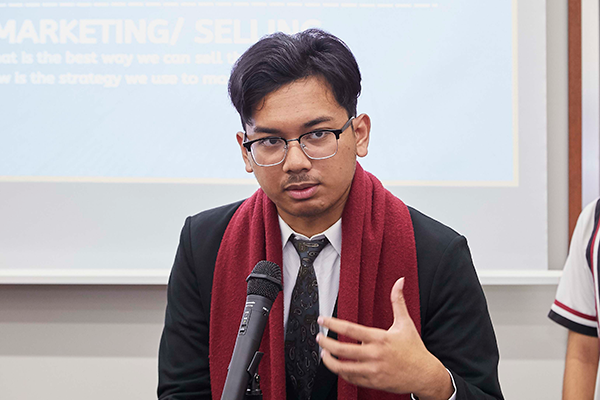
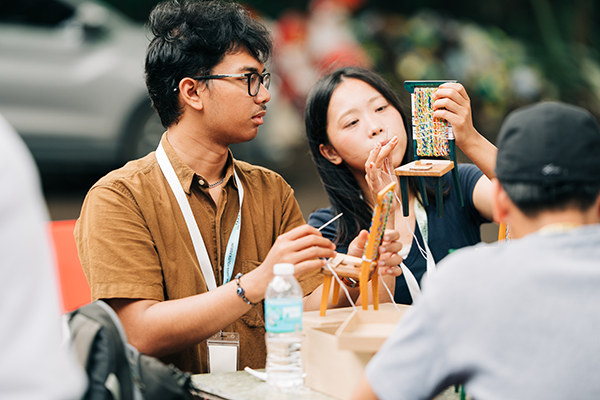
Najo had already been involved in social and environmental initiatives in Indonesia. Feeling limited by the “Indonesian way” alone, they joined TASC to learn from the practices of Japan and other countries.
In Baseco, a low-income community in the Philippines, Najo was moved by residents striving to improve their environment through upcycling, despite harsh living conditions.
During the Japan program, Najo visited “Kyoto Satoyama SDGs Lab KOTOS”, a former elementary school turned community-based SDGs lab in Kyoto’s countryside. There, they witnessed how local residents came together to create spaces for collective learning—an experience that rekindled their belief in the strength of community.
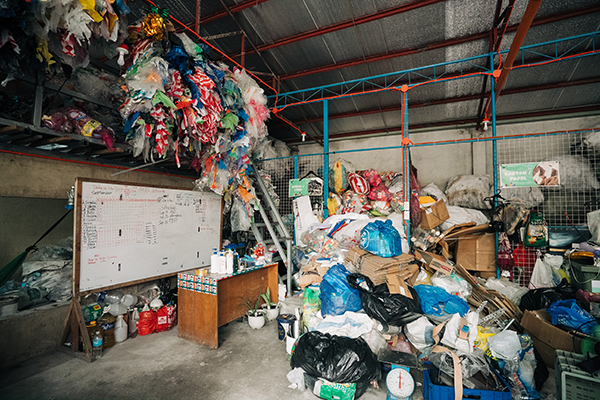
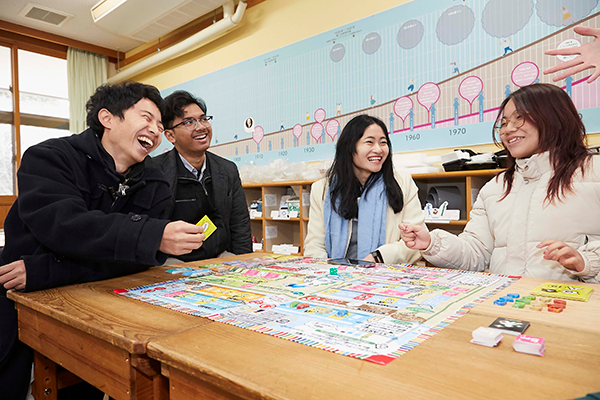
Najo also gained a new perspective: seeing plastic waste not as something negative, but as a valuable resource.
Najo hopes to apply this mindset in future projects in Indonesia and to continue learning with peers across borders through the TASC network.
Lucas: Nguyen Tien Thanh (Vietnam / Vietnam National University, Ho Chi Minh City – General Medicine)
Connecting Environment and Community Through a Medical Perspective
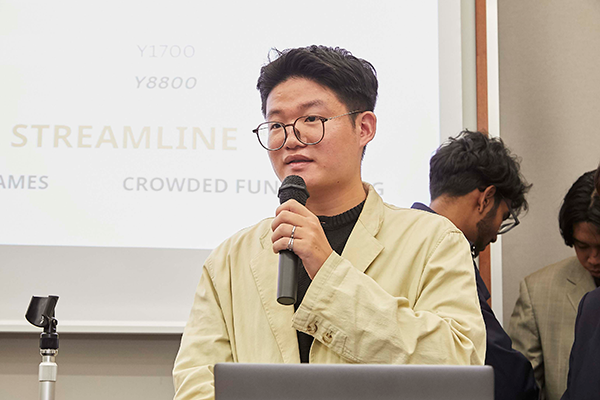
Lucas grew up in a region with many tourist destinations, where environmental issues were part of everyday life. Hoping to learn ways to address local challenges without relying solely on advanced technology, they decided to participate in TASC.
One particularly memorable presence for Lucas was their Japanese teammate. Lucas expressed deep appreciation for the way they thoughtfully shared cultural perspectives and knowledge while showing care for both physical and mental well-being. Through study visits in Japan and the Philippines,
Lucas also gained a more multifaceted understanding of the relationship between tourism and plastic waste, and came to recognize the importance of behavioral change.
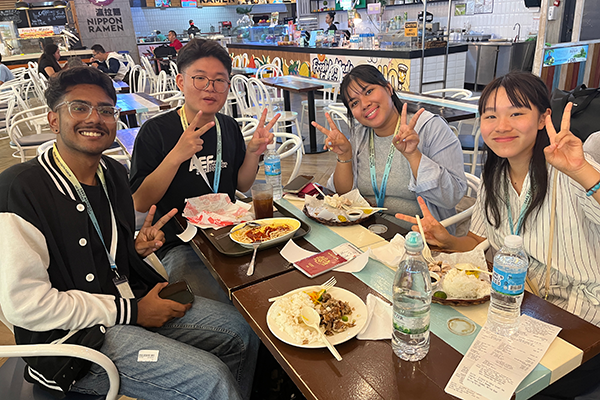
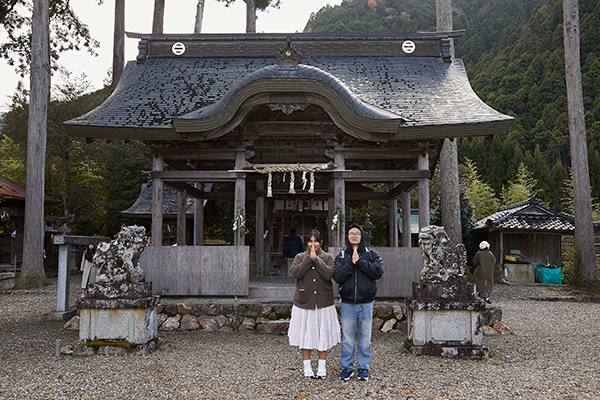
Another significant realization throughout the program was the sense that, even as a student from a developing country, Lucas could exchange knowledge on equal footing with students from Japan. Looking ahead, Lucas hopes to pursue a career in medicine while working in collaboration with local communities, contributing to society from both health and environmental perspectives.
Eaindray Phoo Myat (Myanmar / University of Yangon – Law)
Developing an Eye for Systems: Learning from Japan and ASEAN in Practice
With a strong interest in Japan and a background in legal studies, Eaindray had also been deeply interested in environmental policy. Seeking to deepen this interest, they decided to join TASC.
During visits to companies and local government facilities, Eaindray witnessed firsthand how plastic waste sorting and recycling are supported by institutional systems—an observation that reinforced their belief in the importance of policy-based approaches. Eaindray spoke particularly of the advanced sorting systems at DINS Kansai Co., Ltd., as well as the initiatives of SM GUUN Environmental Company in the Philippines, as being especially impressive.
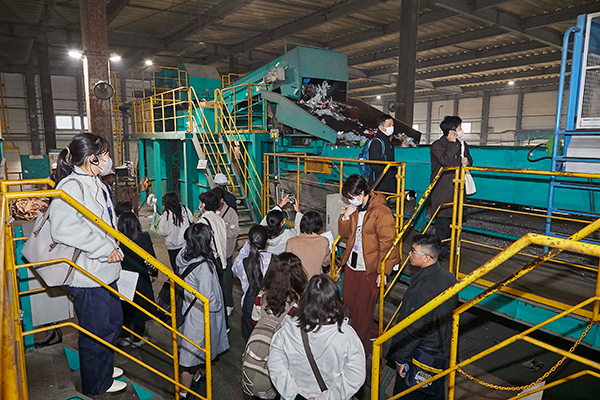
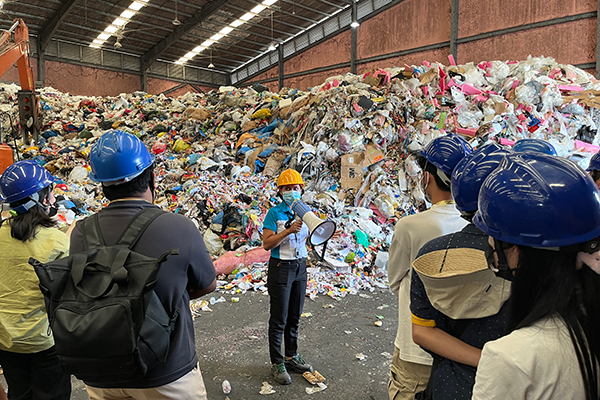
Through dialogue with fellow participants, Eaindray learned that there are many approaches different from those in their own country and began to think more seriously about what can be done from a legal standpoint. Holding onto the aspiration that, if they were ever to become a leader in the country, Eaindray would like to change a wide range of rules that affect people’s daily lives, they expressed a strong desire to work toward improving national systems and policies in Myanmar in the future.
Ram Paulo Macam (Philippines / De La Salle University – Communication Arts)
Communication as Action: Expanding Environmental Learning Through Social Media and Video
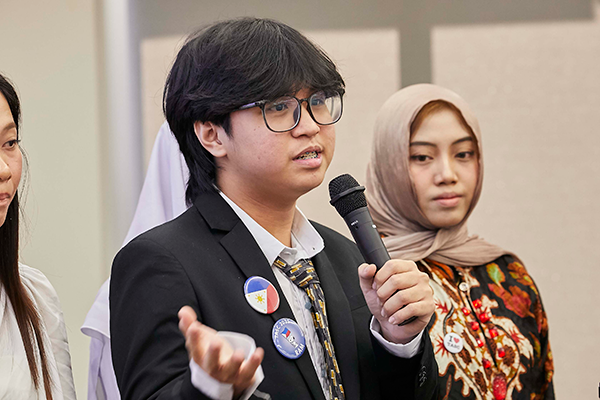
Ram learned about TASC through an announcement at their university and was immediately drawn to the program because it was set in the Philippines and focused on plastic waste. Growing up, Ram had often seen plastic waste along the coast, and from a young age had continued beach cleanups together with their sister.
Throughout the program, Ram engaged in many conversations with fellow participants, and dialogues with the Muslim roommate deepened Ram’s understanding of religion and culture. In Baseco, a low-income community in the Philippines, Ram interviewed grassroots groups that upcycle plastic waste. Experiencing these efforts alongside visits to companies with advanced sorting technologies made Ram strongly feel that there are important realities that need to be communicated.
Realizing that “even someone who is not an environmental expert can take action,” Ram has already begun sharing voices from the field through social media and video. Ram hopes to use the power of storytelling to connect different cultures and expand environmental awareness among people close to them.
What They Shared: “Small Steps Forward”
Common Threads and Diverse Approaches Among Five Stories
One theme ran through all five participants’ experiences: the importance of taking small steps.
By learning about the systems and values of countries different from their own, they began to look at their own cultures and institutions from new perspectives. This process helped them recognize both the strengths and challenges unique to their home contexts. Most striking of all was how deeply each participant came to value taking action — not alone, but together.
At the same time, the five groups’ approaches were remarkably diverse.
Some participants focused on transforming systems and policies, while others took action through healthcare, education, or communication, each guided by their own areas of expertise. Whether from coastal nations, inland regions, or areas rich in tourism, their geographic and social contexts also shaped how they understood and engaged with plastic waste issues.
Rather than narrowing toward a single “correct” answer, this forum emphasized the value of embracing diverse viewpoints. Through mutual learning and dialogue across differences, new ideas and actions emerged.
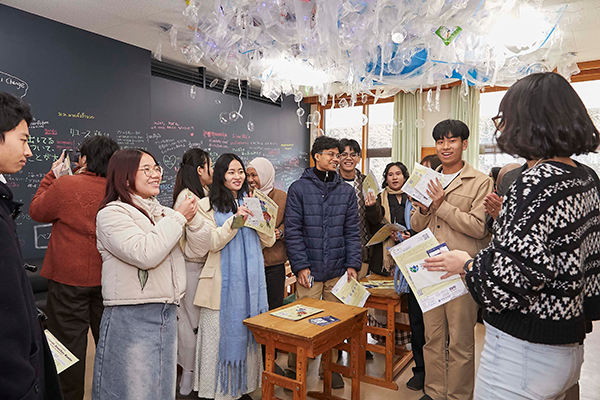
Collaborating With Others as a Path to the Future
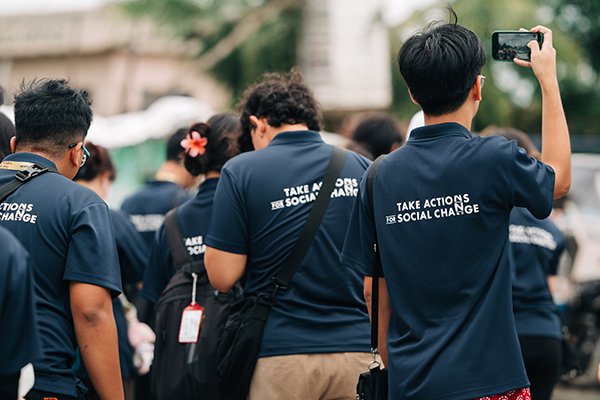
Through the familiar topic of plastic waste, the participants were not only examining the systems that shape society, but also reflecting on their own values and life paths. What they nurtured in this process was the mindset of thinking and acting together — not in isolation. The experience of learning across borders became a meaningful first step toward their futures.
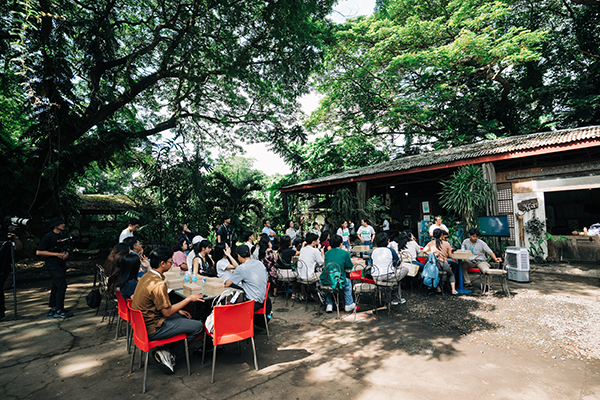
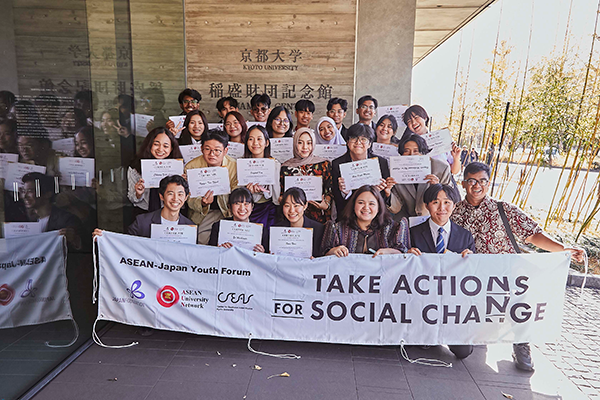
After the final presentations, the sense of mutual respect and the depth of collaboration among the students was clearly visible. This shared journey — of thinking, acting, and growing with peers — will surely become a driving force as they each continue on their paths.
Interview and text by Kiyomi Matsukawa
Edited by: The Japan Foundation
- What We Do Top
- Arts and Cultural Exchange [Culture]
- Japanese-Language Education Overseas [Language]
- Japanese-Language Education Overseas [Language] Top
- Learn Japanese-language
- Teach Japanese-language
- Take Japanese-Language Test
- Know about Japanese-language education abroad
- The Japanese-Language Institute, Urawa
- The Japanese-Language Institute, Kansai
- Japanese-Language Programs for Foreign Specified Skilled Worker Candidates
- Japanese Language Education for Japanese Children Resident Overseas and for the Descendants of Migrants
- Archives
- Japanese Studies and Global Partnerships [Dialogue]
- JF digital collection
- Other Programs / Programs to Commemorate Exchange Year
- Awards and Prizes
- Publications