
2025 Japanese Studies Fellow Conference in Sendai
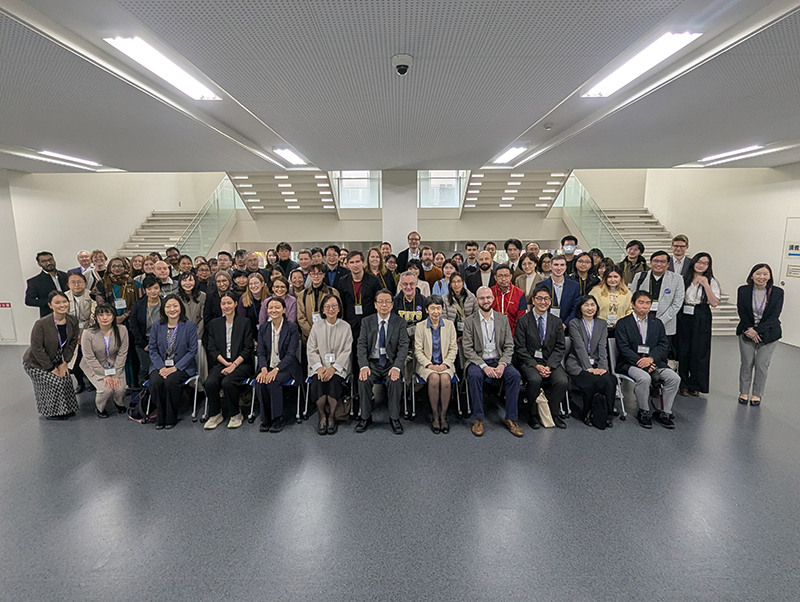
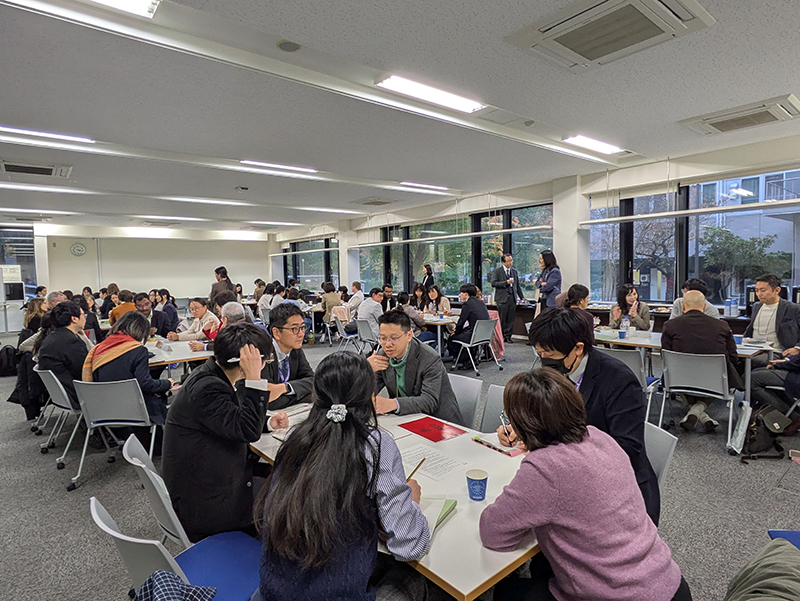
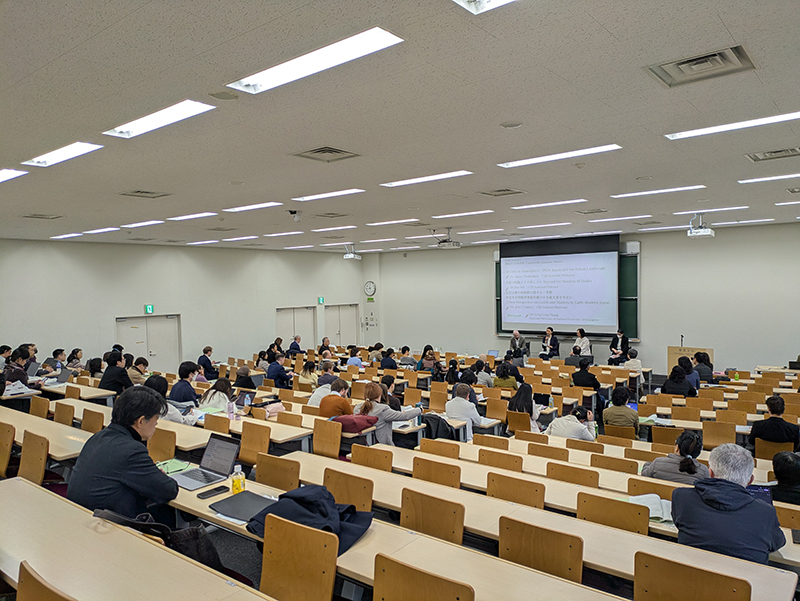
On Saturday, November 8, 2025, “The Japan Foundation Japanese Studies Fellow Conference 2025” was held in Sendai by the Japan Foundation (JF), Tohoku University Center for Integrated Japanese Studies (CIJS), and Tohoku University International Graduate Program in Japanese Studies (GPJS). The conference was held as a part of the “Partnership to Co-create a Future with the Next Generation: WA Project 2.0” Networking Event. In the Plenary Session, Dr. Leng Leng THANG, Associate Professor at the National University of Singapore, gave a keynote report on“Japanese Studies as a Space for Dialogue: Cases from Southeast Asia.”The subsequent Panel Session 1, “Transborder Japanese Studies,” featured Dr. Ajjana THAIRUNGROJ, Dr. Ran WEI, and Dr. John D'AMICO, CIJS Assistant Professors. Panel Session 2, “Japanese Studies as a Site for Collaboration and Co-Creation,” also included presentations by JF-CIJS-EAJS Fellows and JF Japanese Studies Fellows (The Japan Foundation - Support for Japanese Studies Researchers). An active discussion followed with Dr. AKAI Kimi (CIJS Associate Professor), Dr. Tianyuan HUANG (CIJS Assistant Professor), and Dr. Christopher CRAIG (CIJS Professor) serving as discussants, joined by participants from the audience. In the subsequent poster session, nine presenters—including graduate students from Tohoku University and JF fellows—delivered their poster presentations. In the final discussion session, under the theme “The Potential and Challenges in Japanese Studies in the Future World,” nearly 100 participants—including JF fellows conducting research in Japan and members affiliated with Tohoku University—engaged in cross-regional, cross-disciplinary, and intergenerational exchange. Drawing on their respective experiences, they shared perspectives on how Japanese studies can contribute to society, what makes the field appealing, and the challenges and changes they each face, in order to explore what is needed for the field to be sustained and further developed in this global era. In the post-event survey, participants expressed positive feedback such as “the conference exceeded expectations in many ways,” “it was valuable to learn about the current state of Japanese studies from fellows of various countries,” and “I would like to continue engaging in dialogue even after the conference.”
The recorded video on the Plenary Session of the Conference is available on JF’s YouTube channel at:
2025 Japanese Studies Fellow Conference
Related Website Page of Partnership to Co-create a Future with the Next Generation: WA Project 2.0:
- What We Do Top
- Arts and Cultural Exchange [Culture]
- Japanese-Language Education Overseas [Language]
- Japanese-Language Education Overseas [Language] Top
- Learn Japanese-language
- Teach Japanese-language
- Take Japanese-Language Test
- Know about Japanese-language education abroad
- The Japanese-Language Institute, Urawa
- The Japanese-Language Institute, Kansai
- Japanese-Language Programs for Foreign Specified Skilled Worker Candidates
- Japanese Language Education for Japanese Children Resident Overseas and for the Descendants of Migrants
- Archives
- Japanese Studies and Global Partnerships [Dialogue]
- JF digital collection
- Other Programs / Programs to Commemorate Exchange Year
- Awards and Prizes
- Publications