
リサーチ・フェロー(第3期) Ram Avtar
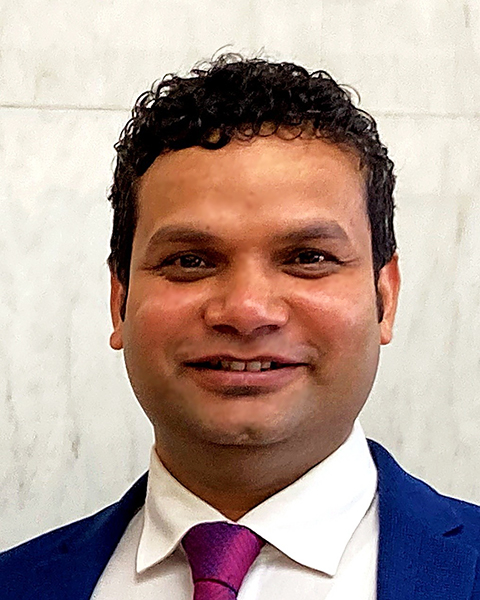
Ram Avtar
北海道大学大学院環境科学院・地球環境科学研究院 准教授
[研究テーマ]
A Next Generation Cross-Border Resilience by Data-Driven Policy-Making for Disaster Risk Reduction
研究サマリー
In Japan, Indonesia, and Malaysia, the urgency for effective disaster prevention policies has never been greater, as these nations grapple with increasingly frequent and severe natural hazards such as floods, landslides, and rising sea levels that jeopardize lives, infrastructure, and environmental sustainability. To address these critical challenges, this project proposes a data-driven policy-making framework that harnesses the latest technological advancements to transform how disaster risk is assessed and managed. By employing remote sensing techniques, the initiative captures high-resolution satellite imagery that provides a comprehensive overview of vulnerable regions. Complementing this, drone aerial surveys deliver precise, localized data on terrain variations and emerging hazard patterns in real time, ensuring that even the most dynamic environmental changes are monitored. Furthermore, machine learning models analyze both historical and current datasets to forecast disaster events with remarkable accuracy, thereby enabling the formulation of proactive, evidence-based policies. These advanced tools collectively create an integrated decision-support system that empowers policymakers to rapidly implement emergency response measures, allocate resources effectively, and undertake long-term urban planning that is resilient to natural calamities. The project thus not only provides policy suggestions for immediate tactical benefits through the real-time case-studies and interactive hazard maps but also lays the groundwork for sustainable disaster management strategies. By bridging cutting-edge technology with policy formulation, this collaborative effort sets a new standard for transboundary cooperation and data-driven decision-making in disaster prevention and environmental protection, ensuring that communities are better prepared for the challenges of tomorrow.
- 事業内容を知るトップ
- 文化芸術交流[文化]
- 日本語教育[言語]
- 日本研究・国際対話[対話]
- JF digital collection
- 特別事業/周年事業等
- 顕彰事業
- 刊行物のご案内