
ASEAN次世代専門家グループ招へい(第2期:宗教間対話)Zawtika(Buddhapiya)
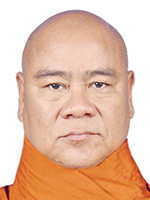
Zawtika (Buddhapiya)(ミャンマー)
アナワラター・リーダーシップ大学 創設者兼学長
訪日レポート
1. Key Takeaways from the Program
Participating in the ASEAN–Japan Interfaith Dialogue Program was a deeply transformative experience for me as a religious leader, educator, and institutional founder. The program did not merely provide academic discussions; it offered lived experiences, practical insights, and meaningful encounters with scholars, religious leaders, and community practitioners in Japan.
One of my strongest takeaways was the Japanese model of “gentle leadership and strong systems.” In many of the institutions we visited, I observed that leadership is not loud or aggressive. It is calm, disciplined, and deeply respectful of collective harmony. However, behind this gentleness lies an intense commitment to systems, structure, and accountability. Institutions function smoothly not because of charismatic individuals, but because of well-designed processes.
This insight significantly influenced my own leadership philosophy. Previously, my motto was: “Lead peacefully, manage wisely, grow sustainably.” After observing Japanese society and institutions, I refined this understanding into a clearer principle: Leadership should be gentle toward people, but management must be intense toward systems to ensure long-term sustainability.
Another key takeaway was the integration of religion and social responsibility. In Japan, religion is often expressed quietly, without strong public display. Yet religious values—such as discipline, respect for others, cleanliness, and responsibility—are embedded in daily life and community culture. This subtle influence demonstrates that religion does not always need to dominate public space; it can shape society through ethical habits and shared values.
Finally, the discussions on disaster response and social division were particularly meaningful. Japan’s experience with earthquakes and natural disasters has shaped a culture of preparedness, cooperation, and resilience. Religious institutions often play a supportive role in healing trauma, restoring community trust, and offering spiritual comfort. This reminded me that religion must serve society during crisis, not only during ritual.
2. The Role of Religion or Religious Leaders in Japan
In Japan, religious leaders often operate quietly within society. Shrines, temples, and mosques function as spiritual anchors rather than political voices. Religion is integrated into life-cycle rituals, cultural identity, and moral education, but it rarely seeks confrontation. This creates social harmony in a multicultural and increasingly secular society.
I was particularly impressed by how religious spaces in Japan maintain cleanliness, order, and discipline. This reflects a deep internalized value system. Religious leaders model calmness and responsibility rather than authority and control.
Comparing this with my own context in Myanmar, religion plays a much more visible and central role in public life. Monks and religious leaders often have strong influence in education, social welfare, and even national discourse. This influence carries both opportunity and responsibility.
In my community, religion has the potential to:
- Promote moral leadership
- Bridge social and economic divisions
- Support disaster relief and humanitarian response
- Guide youth in an era of digital isolation
However, I also realized during this program that religious leaders must be careful not to become sources of division. When religion aligns too closely with political polarization or economic inequality, it may unintentionally deepen social conflict.
Japan offered a valuable lesson: religion can be powerful without being confrontational. It can shape culture quietly through discipline, compassion, and community responsibility.
As a Buddhist monk and Founder & President of Anawrahtar Leadership University (ALU), I reflect deeply on this responsibility. Religious leadership must move from emotional reaction to strategic compassion. It must combine spiritual depth with institutional professionalism.
3. Application to My Research and Career
This program directly connects to my work in three major areas:
1. Institutional Development at ALU
I am currently developing Anawrahtar Leadership University as a center for Peace, Leadership, and Management (PLM). The Japanese model strengthened my commitment to building strong systems.
I plan to:
- Develop clearer Standard Operating Procedures (SOPs)
- Strengthen Quality Assurance mechanisms
- Integrate discipline and time management into academic culture
- Promote environmental responsibility on campus
Inspired by Japan’s culture of order and shared responsibility, I will emphasize cleanliness, punctuality, and system-based management within the university.
2. Curriculum Development and Research
The themes of the seminar—religion and social division, youth challenges in the digital age, and disaster-induced community fragmentation—align with my academic research interests.
I plan to:
- Introduce a course module on “Religion and Social Cohesion in a Globalized World.”
- Conduct research on how Buddhist leadership can reduce polarization in Myanmar.
- Develop training workshops for monks and youth leaders on compassionate dialogue and crisis response.
Japan’s example of resilience after natural disasters will inform my research on faith-based disaster leadership.
3. Personal Leadership Transformation
On a personal level, this program reshaped my internal leadership mindset.
I learned that:
- Calm leadership builds trust.
- Systems protect institutions beyond individual personalities.
- Humility strengthens influence.
As a founder and institutional leader, it is tempting to rely on personal charisma. However, Japan taught me that sustainability depends on systems, not individuals.
Therefore, I will practice:
- Gentle communication with people
- Intense discipline in management
- Long-term thinking in strategic planning
This transformation is not theoretical. I have already begun revising our institutional motto and governance framework based on these lessons.
Conclusion
The ASEAN–Japan Interfaith Dialogue Program was not simply an academic exchange; it was a leadership laboratory. It offered a model of how religion can contribute to social harmony without confrontation, how institutions can remain strong through systems rather than personalities, and how culture can embody moral values quietly yet effectively.
For me, the most powerful lesson is this:
Religion must be compassionate in spirit, disciplined in structure, and responsible in society.
I return to Myanmar not only with memories, but with renewed clarity of mission—to cultivate gentle leaders, build intense systems, and create sustainable growth for future generations.
I express my sincere gratitude to the Japan Foundation and all organizers for creating such a meaningful and transformative experience.
- 事業内容を知るトップ
- 文化芸術交流[文化]
- 日本語教育[言語]
- 日本研究・国際対話[対話]
- JF digital collection
- 特別事業/周年事業等
- 顕彰事業
- 刊行物のご案内