
リサーチ・フェロー(第3期)堀内 清華
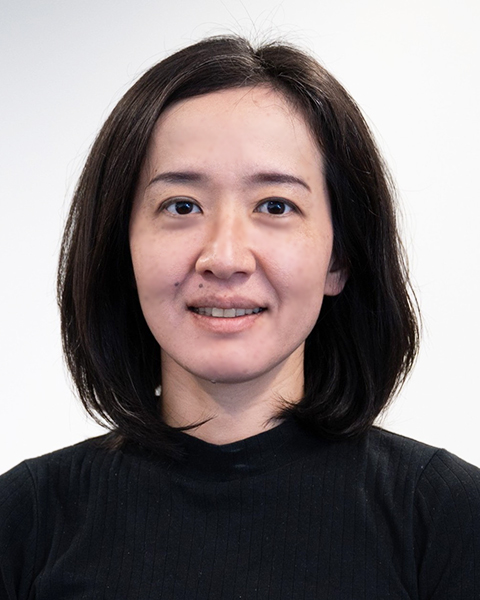
堀内 清華
山梨大学大学院総合研究部医学域 基礎医学系(疫学・環境医学講座) 助教
[研究テーマ]
Achieving Universal Health Coverage: Building a Digital Platform to Provide Ongoing Training for Healthcare Professionals to Improve Quality of Care in the Indo-Pacific Region
研究サマリー
Having sufficiently qualified healthcare professionals is key to achieving quality care and universal health coverage. To increase and maintain available qualified healthcare professionals in all settings, continued clinical education needs to be provided after initial qualification. This project aims to develop a digital platform to facilitate low-cost and remote mobile phone-based training, focusing on essential newborn care, and assess how it can be implemented in the current health system in the Indo-Pacific region. We have previously developed mobile phone-based training in Lao PDR. In this intervention, healthcare providers at remote district hospitals perform simulation-based self-practice, film the practice, and send the video to their supervisors at associated hospitals through a WhatsApp chat group. They then receive individual feedback on their performance. We tested this concept of the mobile phone-based training using a pilot cluster randomised trial for three months in Lao PDR and found that it maintained the providers’ essential newborn-care skills better than no intervention. To scale up this promising intervention across the region, we aim to develop a digital platform that will enable providers and supervisors to exchange data smoothly via mobile phone. To do this, we will conduct key stakeholder consultations, literature reviews, and a situational analysis of current education systems for healthcare professionals in India, Lao PDR, and Papua New Guinea. We will conduct this project in collaboration with the Burnet Institute (Australia) and the Foundation for Research in Health Systems (India). Both institutions have strong research and educational links with maternal and newborn healthcare providers in the region. Working with these experts in clinical training will help develop a digital platform that is feasible and appropriate to each context. Contextualisation will enable the development of relevant policy recommendations for the ongoing training and the health workforce development.
- 事業内容を知るトップ
- 文化芸術交流[文化]
- 日本語教育[言語]
- 日本研究・国際対話[対話]
- JF digital collection
- 特別事業/周年事業等
- 顕彰事業
- 刊行物のご案内